Parkinson and oral hygiene: adapt gestures and arrange visits | Dentistry study Stere
Parkinson and oral hygiene: adapt gestures and arrange visits | Dentistry study Stere
With Parkinson, a habitual gesture such as brushing teeth can take more time or a different help. Trembling, rigidity and fatigue do not have the same impact in all people and at any time of the day.
The goal is to maintain an effective and sustainable mouth care, preserving the autonomy possible. You do not need to automatically replace the person when you need a more comfortable grip or a better organized routine.
The dentist’s appointment can also be adapted. To do so, you need concrete information on movements, swallowing, therapies and moments when you feel better.

Why Parkinson can change oral hygiene
Motor difficulties can make brushing and cleaning of the prosthesis less accurate. The Parkinson’s Foundation also considers the problems of chewing and swallowing. Neurological diagnosis does not mean that teeth are destined to deteriorate: it indicates the need to assess specific obstacles.
What aspects to observe in the routine
Brush socket and control
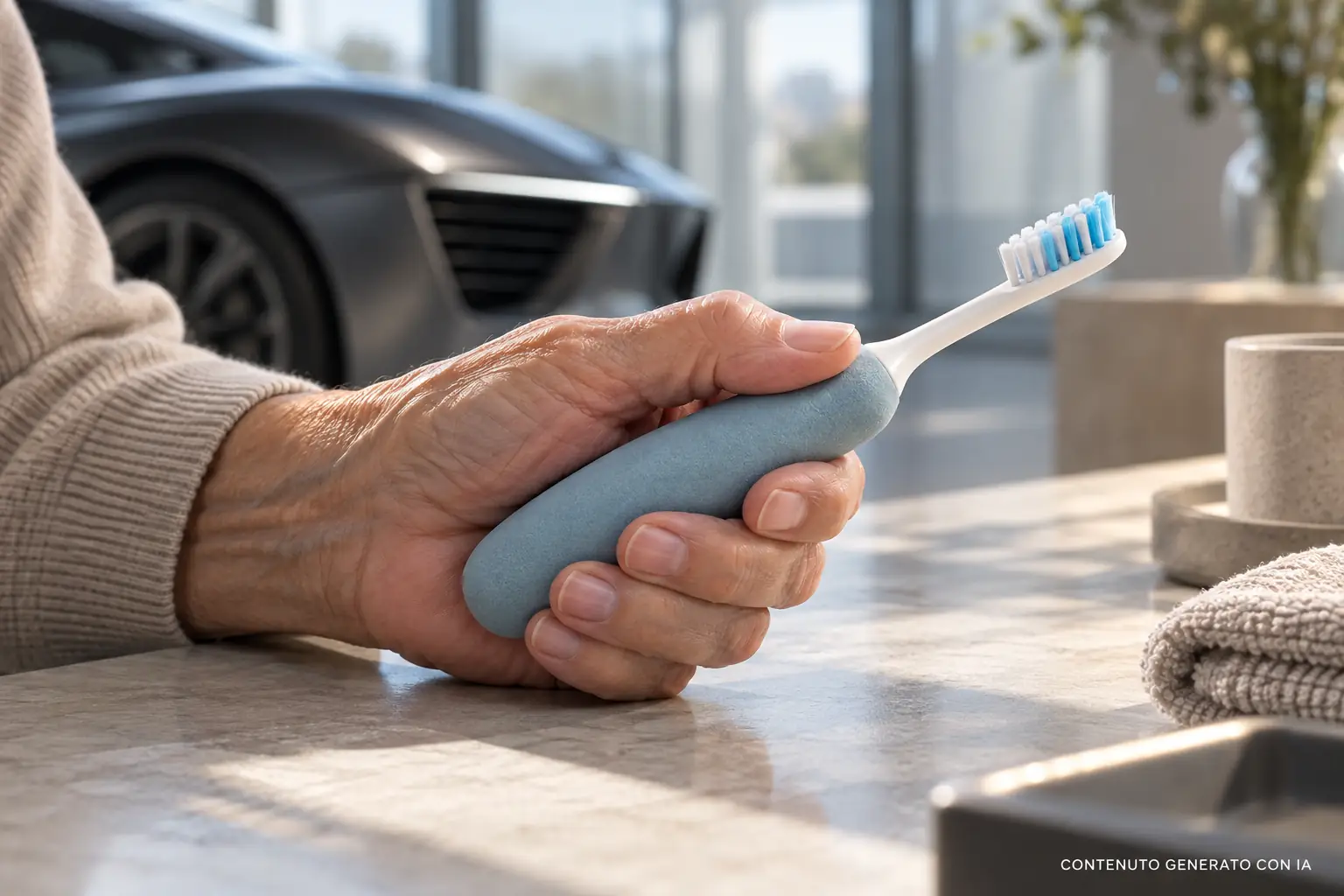
A difficult handle to grasp can limit cleaning more than the type of bristles. Showing the professional the usual gesture helps to choose a useful adaptation.
Fluctuations during the day
The ability to move can change. Note the most favorable moments allows you to organize hygiene and visits without altering the time of the prescribed medications.
Management of saliva
Dryness or outflow of saliva deserve a distinct assessment. It should not be deduced from the wet lip alone that all the mouth is properly lubricated.
swallowing and fatigue
Tosses during hygiene, difficulty spitting or fatigue should be reported. The Parkinson’s UK describes these difficulties among the possible problems of the mouth associated with the disease.
Reports not only to Parkinson
Dental pain, bleeding gums, prosthetic wounds or a mobile tooth require control. New difficulty swallowing or choking episodes must also be shared with the healing team. An acute respiratory problem requires urgent care.
Practical help and loss of autonomy are not
Assisting can mean preparing tools, improving grip or helping only in difficult areas. Need is not determined by age. The theme is different from the only management of periodontitis in the elderly: here are mainly daily operation and motor fluctuations.
How to evaluate the need for assistance
The dentist and hygienist observe mouth, tools used and ability to perform routine. It is useful to involve, with the consent of the person, who helps you at home. Bring the list of medicines and report implanted devices: they are used to plan the clinical context, not to modify them independently.
How to adapt the path
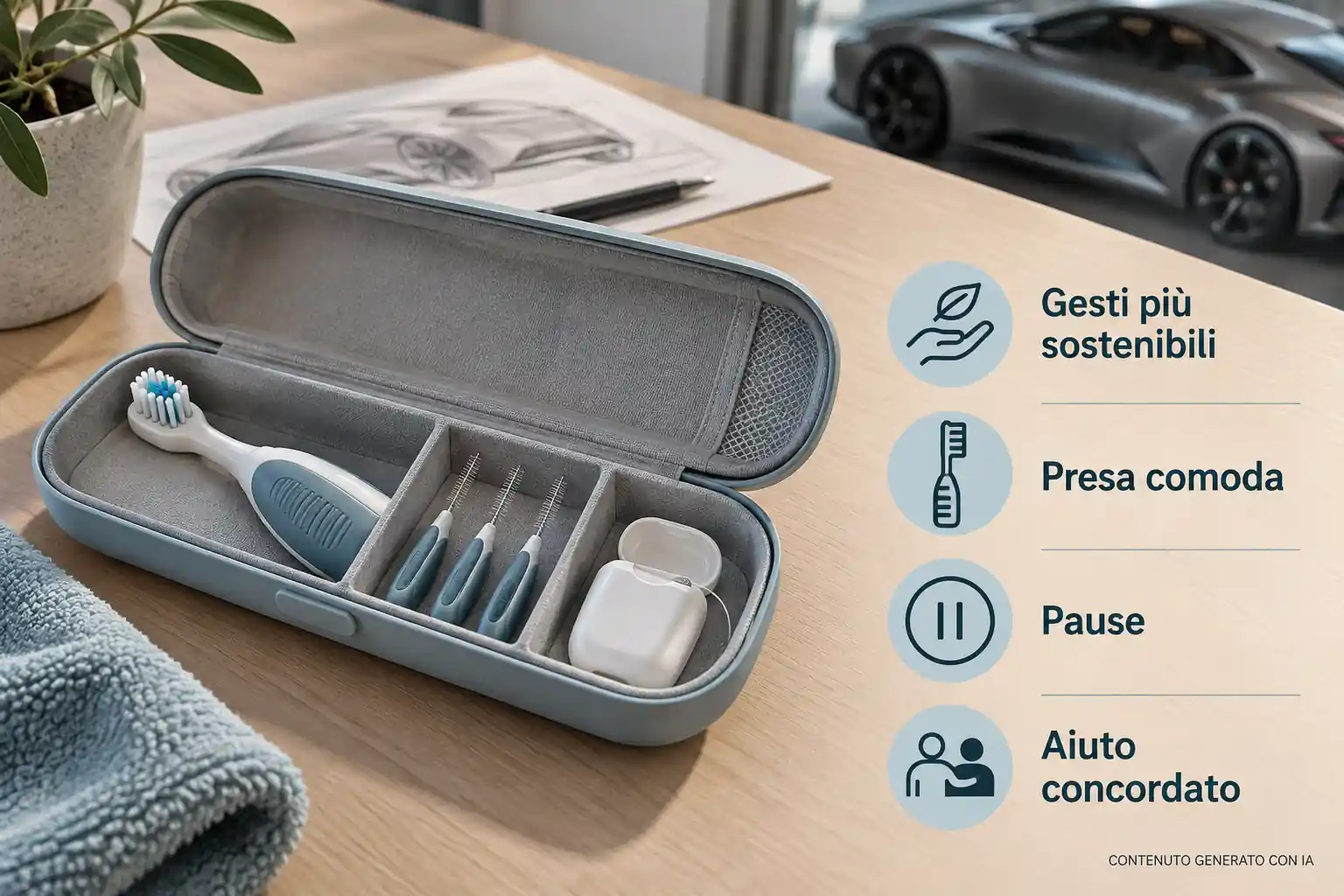
Choose Managed Tools
Larger handles or an electric toothbrush can help in some cases. The choice must be tested, checking control, comfort and actual cleaning.
Building a simple sequence
Agreeing a few clear steps facilitates continuity. The most complex tool is not necessarily the most useful if it cannot be used safely.
Organize sustainable sessions
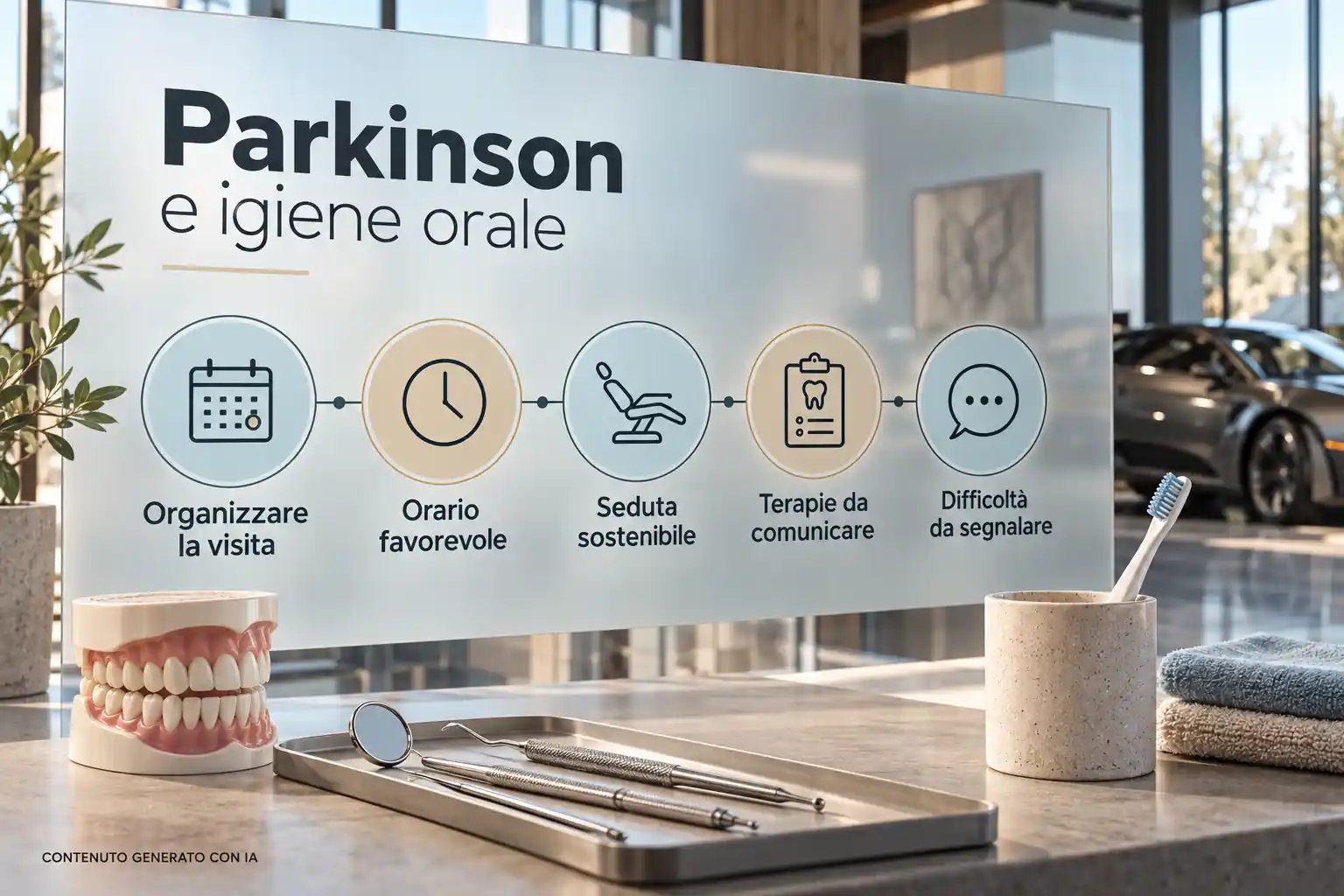
Shorter appointments and a favorable time can improve tolerability. Communicate in advance difficulty to be relaxed, keep your mouth open or manage liquids.
Coordinate swallowing and oral health
If there is disfaction, products and cleaning methods must be adapted with caregivers. Do not add rubbers, candies or large amounts of liquid as a generic remedy.
A shared routine at home
Clean the prosthesis according to the instructions and handle it over a protected surface. Ask for a demonstration for interdental spaces. Those who assist should explain gestures, respect breaks and report what they cannot do: it serves to correct the plan, not to judge the person.
Prepare a visit to STERE
To arrange an appointment Studio Odontoiatrico STERE di Lecce, communicates motor and service requirements before the session. The team will be able to evaluate practical methods and the need for coordination with other professionals.
Frequently asked questions
Is the electric toothbrush all right?
No. It can help, but it must be controllable and tolerable for the individual.
Is it useful to choose a precise time for the visit?
Yes, when you know moments of better control of symptoms. The organization must be agreed.
Do I need to change the drugs to go to the dentist?
No. Follow the prescribed therapy and ask your doctor before any variation.
Who helps must always replace the person?
No. The help should compensate for the difficulties by leaving the person the gestures he manages to perform.
If I cough during hygiene, should I report it?
Yes. It may be necessary to evaluate swallowing and adapt tools, products and position.
At Studio Odontoiatrico Stere you can find a complete range of preventive and curative dental treatments.
If you are looking for a dentist in Lecce to improve oral hygiene, prevent caries and gum inflammations or choose home products that suit your needs, the Studio Stere team can accompany you with a customized evaluation. Learn more about Scholarship. it and book your visit to control.
Read more important articles here: Blog
Visit the official website: Study Stereo
Come and visit us: Via Giovanni Boccaccio 19 C/D/E – Lecce
Contact us now for an evaluation.
Follow us on our social media:
Article written by Dr. Nicolò Stefanelli – Dentistry
Published by: Lmao Graphic
"Take Care"
– Studio Stere –
Continue reading
Imperfect Dentinogenesis: Protect teeth that are consumed soon | Dentistry study Stere
Orthodontic Minivitis: why they serve and how to follow them over time | Dentistry study Stere
Sjögren and oral health: organizing prevention with caregivers | Dentistry study Stere
Conoid lateral incisive: how to assess shape, space and restoration | Dentistry study Stere