Gengivite: symptoms, causes and care | Dentistry study Stere
Gengivite: symptoms, causes and care | Dentistry study Stere
The gums are part of the tooth support system as the root itself. When they inflame, when they bleed during brushing or when they start retreating, the body is reporting something that deserves attention. The gums is the most common form of gum disease: reversible when faced in time, but able to evolve into something more complex if ignored.
Many people consider normal gum bleeding, a consequence of too vigorous brushing or a personal predisposition. In fact it is almost always a signal of active inflammation caused by the accumulation of bacterial plaque. Recognising it and treating it early makes the difference between a complete healing and a problem that progresses deeply.
At the Studio Odontoiatrico Stere di Lecce, gum health is carefully assessed during each inspection visit. The Dr. Nicolò Stefanelli, Dr. Rosanna Renò and the team of the study accompany the patients of Lecce, Salento and all of Puglia towards correct oral hygiene habits and personalized treatments for every clinical situation, in Via Giovanni Boccaccio 19 C/D/E, Lecce.
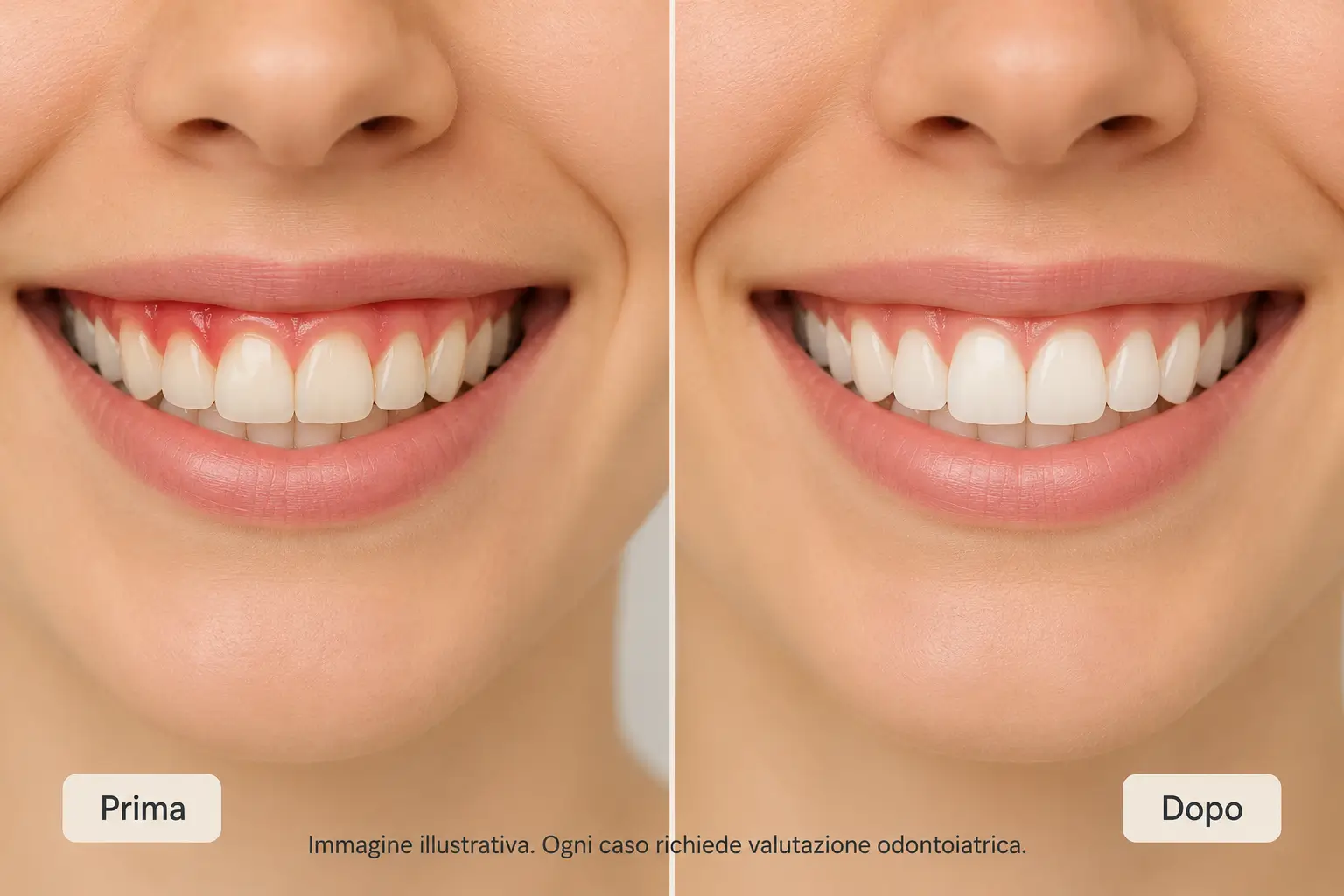
What is the gums
The gums is an inflammation of the gums caused by the accumulation of bacterial plaque along the gum. Plaque is a biofilm composed of bacteria, food debris and saliva that is continuously formed on dental surfaces. If you do not regularly remove with brushing and flossing, it mineralizes by forming the tartar — a hard deposit that can not be eliminated with only home hygiene.
The bacteria in the plaque produce toxins that irritate the gum tissues, triggering an inflammatory response. The gums react by swelling, reddening and bleeding more easily. At this stage the process is still confined to superficial soft tissues: bone and parodontal ligament are not yet involved.
According to dataWorld Health OrganizationSevere periodontal diseases affect about 19% of the world's adult population, with over a billion estimated cases. The gum, in its initial form, is even more widespread and represents the starting point of almost all forms of advanced periodontal disease.
Gengivite and parodontite: what is the difference
The gums are reversible: if treated correctly, the gum tissues return healthy without leaving permanent damage. The parodontics, instead, is the progression of the gums not treated in a more severe condition, in which the inflammation reaches the alveolar bone and periodontal ligament, causing structural damage not completely reversible. The distinction is fundamental: a gengivite diagnosed in the initial phase is resolved with a professional hygiene session and a proper home routine; a periodontitis requires more complex and longer treatments.
Symptoms of the gums: how to recognize it
The gums are manifested with quite recognizable signals, even if they are often underestimated or attributed to other causes. The bleeding during the brushing or use of the floss is the most common symptom and the first to appear. Red geniuses, swollen, shiny or that look bigger than normal are other frequent indicators.
In some cases there is also persistent alitosis, a feeling of discomfort to the gums, mild pain to the pressure or initial gum retreat. Not always all symptoms are present at the same time: sometimes the gum is almost asymptomatic in the early stages, which is why periodic controls remain fundamental.
Genital bleeding
A healthy gum does not bleed during brushing. If it bleeds, it's inflamed — regardless of the intensity of the pressure exerted with the toothbrush. Learn more about the page dedicated to gums bleeding in Lecce.
Inflator and redness
Inflamed gums appear reder than normal, sometimes with a darker or purple hue, and may seem swollen or woven. Color change is caused by increased blood flow in the inflamed area. A healthy gum is coral pink, with well defined margins and firm consistency.
Persistent foods
The bacteria responsible for gums produce volatile sulphur compounds that cause bad smell. If alitosis persists despite proper oral hygiene, it may be a signal of active gum inflammation or other oral pathology to be evaluated. Learn more about the page dedicated toAlitosi in Lecce.
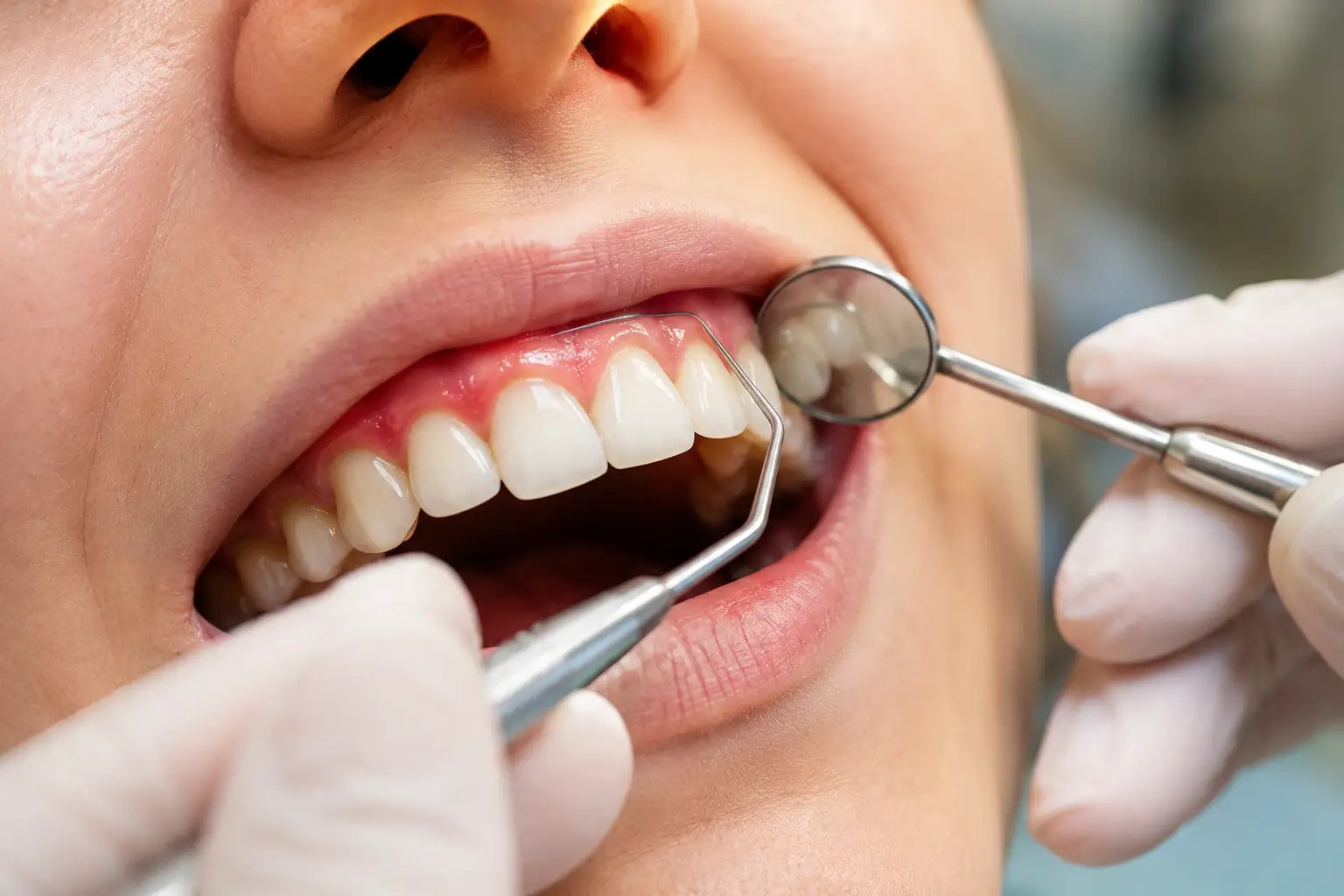
Main causes of gums
The direct cause of the gums is always the accumulation of bacterial plaque. However, there are factors that can increase individual susceptibility or worsen existing inflammation.
Insufficient oral hygiene
An incomplete, irregular or technically incorrect home cleaning is the most frequent cause. Brush the teeth without reaching the gum, do not use the floss or do not clean the back surfaces allows the plaque to accumulate in the most risky areas. According to the guidelines Ministry of Health, the correct brushing should last at least two minutes, twice a day, with integration of the floss.
Smoke and tobacco
Smoking reduces the gum blood flow and compromises the local immune response, making gums more vulnerable to bacterial inflammation and less responsive to treatments. Smokers can present gums with less visible bleeding — not because the gums are better, but because vasoconstriction masks the symptom.
Hormonal variations
Pregnancy, puberty, menstrual cycle and menopause can affect the gum inflammatory response. The so-called pregnancy gums are very common in the second and third trimester of pregnancy and requires periodic attention and professional hygiene.
Drugs and systemic pathologies
Some drugs — antiepileptics, immunosuppressants, calcium-antagonists — can cause gum hyperplasia, an increase in the volume of gums that favors plaque accumulation. Diabetes, immunodepression and some autoimmune diseases increase the risk of gum and parodontal disease.
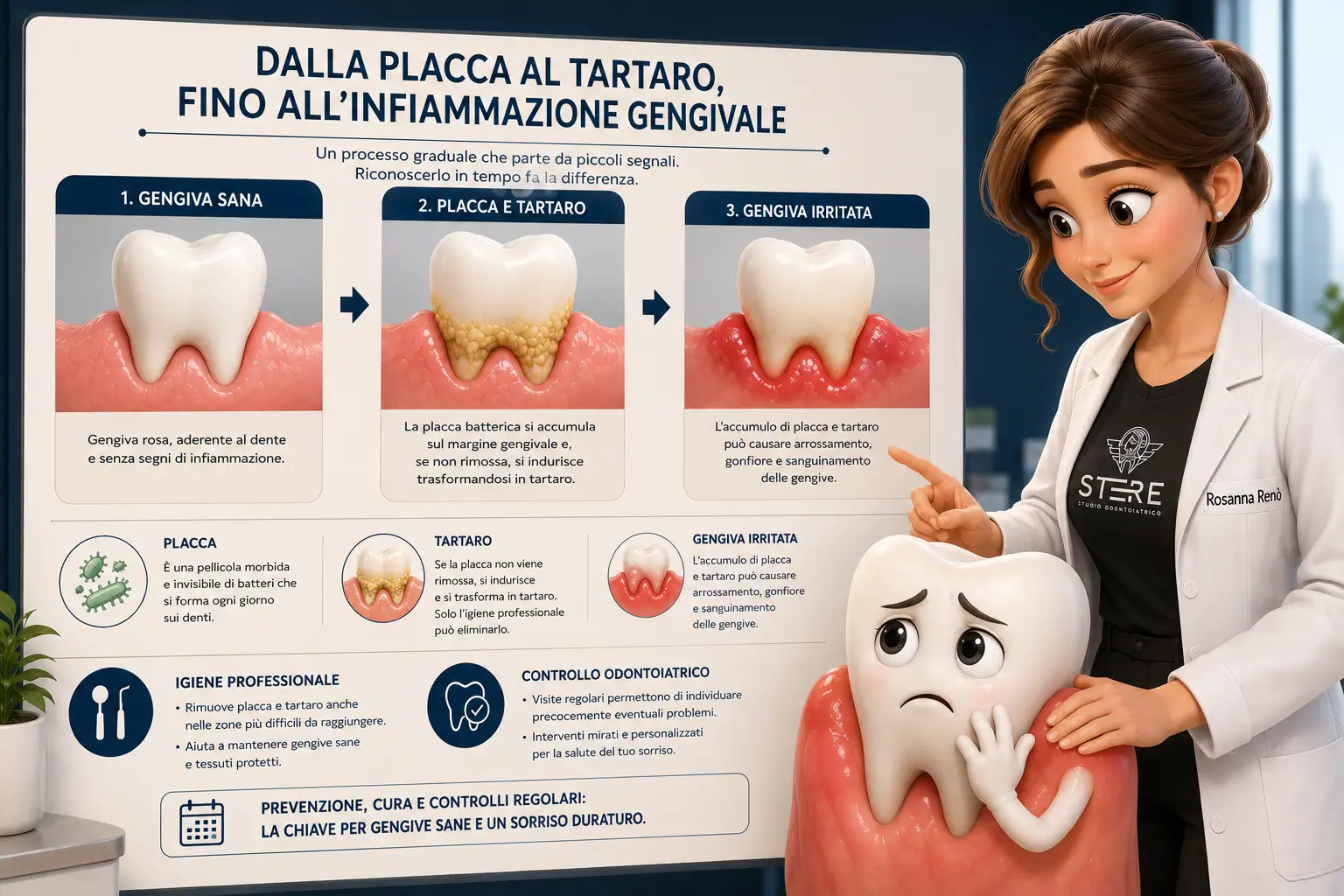
How to cure the gums in Lecce
The gums are completely reversible when treated early. Treatment is divided on two complementary levels: the professional removal of the cause — plaque and tartar — and improvement of the patient’s home hygiene.
Professional dental hygiene seat
The first phase of treatment is professional removal of plate and tartar with specific instrumentation. The supragengival and subgengival tartar cannot be eliminated with the toothbrush: it requires ultrasonic or professional manual tools. After cleaning, gums begin to improve within days or weeks. Learn more about the page dedicated toprofessional dental hygiene in Lecce.
Instruction for oral home hygiene
The professional session alone is not enough if it is not followed by a correct home routine. The patient is educated on the most suitable brushing technique, on the use of the floss or scovolini and, if necessary, on the use of specific collutors. Patient compliance is crucial to the success of treatment and to prevent relapse.
Non surgical parodontal therapy
If the gengivite is already advanced towards an initial or moderate periodontitis, non-surgical periodontitis therapy may be required — the so-called radicular sanding — to remove plaque and tartar from radicular surfaces below the gum. This treatment is performed in local anesthesia and may require more sessions based on the extent of the problem. Learn more about the page dedicated to parodontite in Lecce.
Genuine and prevention: how much periodic controls count
The gengivite is one of the most preventable conditions in dentistry. A professional dental hygiene session every six months — or every three-four months in patients with greater susceptibility — It is sufficient in most cases to maintain healthy gums and to prevent progression towards periodontitis.
Periodic controls also allow for early detection of any changes in the gum, changes in occlusion or new charitable lesions that could aggravate inflammation. Learn more about the page dedicated to dental prevention in Lecce.
When to start the controls
There is no too early age to start dental checks. International guidelines recommend the first visit within the first year of life and regular checks every six months for the whole life. In children, gum health is closely linked to correct oral home hygiene and food. Learn more about the page dedicated to Dentist for children in Lecce.

How does the Studio Odontoiatrico Stere work in Lecce
At the Dental Stere Study, located in Via Giovanni Boccaccio 19 C/D/E in Lecce, gum health is systematically assessed during each visit. The Dr. Nicolò Stefanelli, Dr. Rosanna Renò and the study team analyze the state of the gums, the depth of periodontal pockets, the presence of tartar and the quality of the patient's home hygiene.
The treatment is customized according to the clinical situation: in the cases of initial gums a professional hygiene session with home education is sufficient. In the most advanced cases a non-surgical periodontal therapy program is set with close sessions and periodic controls.
Studio Stere welcomes patients from Lecce, Salento and Puglia looking for a dentist gums, periodontial disease, bleeding gums, professional dental hygiene and dental prevention.
FAQs about gums in Lecce
Does the gum heal on its own?
No. Without removing the cause — plaque and tartar — inflammation is not resolved spontaneously. It may seem improved temporarily, but tends to progress if not treated with professional hygiene and proper home routine.
Is gum bleeding always gums?
In most cases yes, but there are other possible causes such as trauma, systemic pathologies or effects of certain drugs. A clinical evaluation is necessary to establish the exact cause and set the most appropriate treatment.
How long does it take to heal from the gums?
In mild cases, after a professional hygiene session and with proper home hygiene, the gums show significant improvements over two to four weeks. In more advanced cases, times can be longer and require more treatment sessions.
Can the gums lead to tooth loss?
The gum itself does not cause tooth loss, but if it progresses in periodontitis — with support bone involvement — the risk of dental mobility and tooth loss significantly increases. Learn more about the page dedicated to Dental mobility in Lecce.
Can I have the gum without pain?
Yes. The gums are often almost asymptomatic in the early stages, with slight bleeding that many patients ignore or consider normal. The absence of pain does not indicate the absence of inflammation: periodic controls allow to detect it even when it does not bother.
How does the gum prevent?
With correct brushing twice a day, daily floss, balanced diet with reduced free sugars and professional dental hygiene sessions every six months. Learn more about the page dedicated to dental prevention in Lecce.
Where to treat gums in Lecce?
At Studio Odontoiatrico Stere, Via Giovanni Boccaccio 19 C/D/E in Lecce, you can book a parodontal visit and a professional dental hygiene session for the evaluation and treatment of the gums. For information: Scholarship. it.
At Studio Odontoiatrico Stere you can find a complete range of preventive and curative dental treatments.
If you are looking for a dentist in Lecce for dental prevention, in Salento or Puglia, our team is ready to welcome you with expertise, technology and attention to detail. Learn more about studiostere.it and book your check-up today.
Article written by Dr. Nicolò Stefanelli – Dentistry

Read more important articles here: Blog
Visit the official website: Study Stereo
Come and visit us: Via Giovanni Boccaccio 19 C/D/E – Lecce
Follow us on our social media:
Article written by Dr. Nicolò Stefanelli – Dentistry
Continue reading
Imperfect Dentinogenesis: Protect teeth that are consumed soon | Dentistry study Stere
Orthodontic Minivitis: why they serve and how to follow them over time | Dentistry study Stere
Sjögren and oral health: organizing prevention with caregivers | Dentistry study Stere
Conoid lateral incisive: how to assess shape, space and restoration | Dentistry study Stere